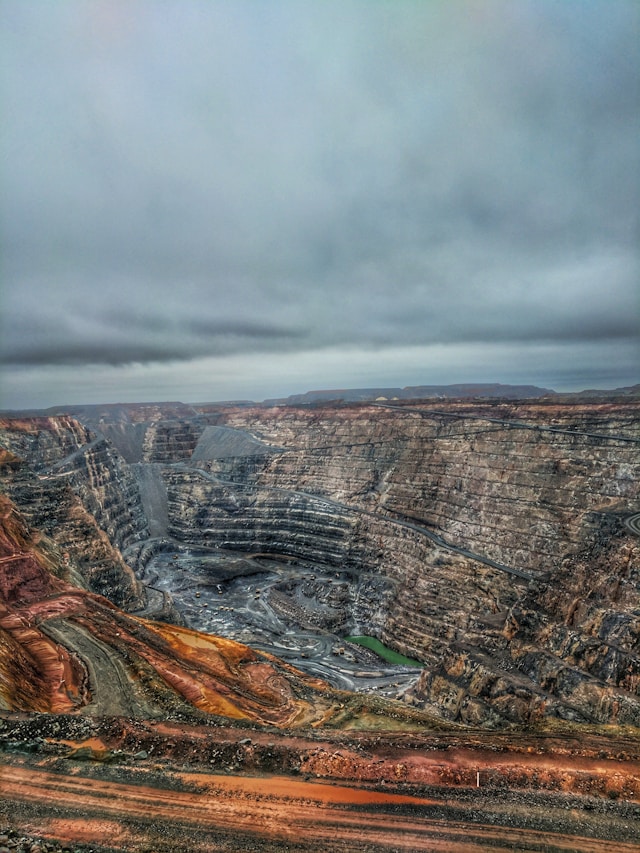
Western Australia's mining sector generates more revenue than most countries' entire economies. Yet walk through the websites and investor materials of mid-tier Perth miners and you will find the same thing: outdated PDFs, static photography, and the occasional clip of heavy machinery with no narrative. The communication gap is real, and it is costing these companies more than they realise.
The WA mining sector has a communication problem
The large miners - BHP, Rio, Fortescue - have in-house communications teams, dedicated video budgets, and agency relationships. Their content is polished because they have invested in making it so. But the mid-tier: the ASX-listed explorers and producers with market caps between $50 million and $2 billion, the mining services companies, the junior operators trying to attract capital and talent - most of them are communicating like it is 2012.
This is not because they do not understand the value. It is because they have not had access to a production partner who understands their world well enough to be trusted with it. Mine sites have strict safety requirements. Investor communications have legal sensitivities. The wrong framing in a CEO video can move a share price. These are real constraints, and they make mining companies cautious about video in a way that, say, a law firm is not.
The result is a sector that underinvests in video relative to its communication needs - and when it does produce content, often does it badly.
What getting it wrong looks like
The most common failures in mining video production are not technical. They are strategic.
Producing footage without a purpose
Drone footage of an open pit looks impressive. But impressive to whom, and for what? Without a clear communication objective - investor confidence, recruitment, community relations, tender support - footage is just footage. It does not move anyone to do anything. The companies that waste the most money on video are the ones that commission shoots without first answering the question: what do we need this audience to think, feel, or do after watching?
Treating every video like an ad
A recruitment video for a remote FIFO operation is not a brand ad. It needs to answer the specific questions that candidates are asking: what is the roster, what is the culture on site, what does the accommodation look like, why do people stay? Generic footage of sunsets and hard hats does not answer those questions. Specific, honest content does.
Similarly, an investor update video is not a sales pitch. Investors watching a CEO update want clarity, confidence, and specifics - not production polish and background music. The tone, pacing, and content of a mining investor video is entirely different to a brand film, and confusing the two produces content that works for neither audience.
Using eastern states production companies who do not understand the sector
A Sydney agency that has never been on a WA mine site will not know that your site safety induction needs to happen before a camera is even unloaded. They will not understand the difference between how you communicate with institutional investors versus retail shareholders. They will ask you to explain everything, and you will spend half your budget educating them. A Perth-based producer with genuine sector experience costs the same or less and delivers faster because the context is already there.
Where video actually creates value in the mining sector
When done with a clear objective and proper execution, video delivers measurable returns for mining companies across several distinct use cases.
Investor and shareholder communications
An ASX-listed junior explorer raising capital has one job in its communications: build confidence. A well-produced CEO update video - three to four minutes, direct to camera, specific about the project and the timeline - does more for investor confidence than a 40-page prospectus that no retail investor will read in full. The video humanises the leadership team, demonstrates professional credibility, and can be shared across ASX announcements, LinkedIn, and the company website simultaneously.
For AGMs and capital raises, a short project update reel showing actual site progress, drilling results in visual form, and brief management commentary gives investors something concrete to anchor their decision to. This is especially important for junior miners where the share register is dominated by retail investors who respond to clarity and transparency.
Recruitment for remote and FIFO roles
WA's mining labour market has been tight for years and shows no sign of easing. The companies winning the best candidates are not necessarily paying the most - they are communicating the most clearly about what the role actually involves and what the culture is like. A two-minute recruitment video shot on site, featuring real employees talking about the actual experience of working there, consistently outperforms generic job ads. It filters out poor-fit candidates before they apply, and it attracts the right ones because they can see themselves in the content.
Tendering and client presentations
Mining services companies competing for major contracts are increasingly including video in their tender submissions. A three-minute capabilities reel showing your equipment, your crew, your completed projects, and a client testimonial or two does something a written tender document cannot: it demonstrates rather than claims. When evaluators are comparing five similar submissions, the one with professional video evidence of capability stands out.
Safety and internal communications
Safety induction and procedural compliance video is the least glamorous end of mining video production, but it is also the highest volume and the most repeatable. Companies that operate multiple sites or run large workforces need consistent safety messaging that does not rely on one person delivering it the same way every time. Video solves that problem. It also creates a documented record of the training content employees received, which matters for compliance and incident response.
What good mining video actually looks like
The best corporate video produced for the WA mining sector shares a few consistent characteristics regardless of the specific format.
- It leads with specifics, not generalities. "Our team has 20 years of combined experience" tells the audience nothing useful. "We completed three major haul road projects in the Pilbara in the last 18 months, on time and within budget" tells them something they can evaluate.
- It uses real people, not actors. Mining audiences are not moved by slick visuals and voice-over talent. They respond to genuine operators, real project managers, actual site footage. Authenticity signals credibility in a sector that values substance over presentation.
- It respects the audience's intelligence. Institutional investors, experienced engineers, and senior project managers can tell when they are being sold to rather than informed. The best mining video does not try to impress - it tries to inform, clearly and efficiently.
- It fits the distribution channel. A LinkedIn video and an AGM presentation reel are different products even if they use the same footage. Format, length, captioning, and pacing should be optimised for where the content will actually be watched.
The practical test. Before commissioning any mining video, ask: who specifically will watch this, where will they watch it, and what do we need them to think or do afterwards? If you cannot answer all three questions clearly, the brief is not ready and neither is the budget conversation.
Why Perth specifically is the right place to produce this content
Perth is where the decisions get made. The corporate offices of WA's mid-tier miners are in the CBD and West Perth. The investors attending AGMs fly into Perth. The candidates applying for FIFO roles are weighing up Perth-based operators against interstate ones. Producing mining video in Perth - with a producer who is physically present, understands the local market, and has the relationships to get on site - is not a nice-to-have. It is a practical advantage that translates directly into faster production timelines and better content.
If you are a mining or resources company in Perth and you have been putting off a video project because the brief felt complicated or you were not sure who to trust with it, that is exactly the conversation MolaWorks is built for.